How to relieve fever, sore throat, and cough? Please keep this COVID-19 Rehabilitation Manual!
Fever, cough, fatigue, decreased sense of smell and taste, sore throat, and muscle pain... When infected with Omicron, the body may experience these discomforts. How can we better alleviate them?
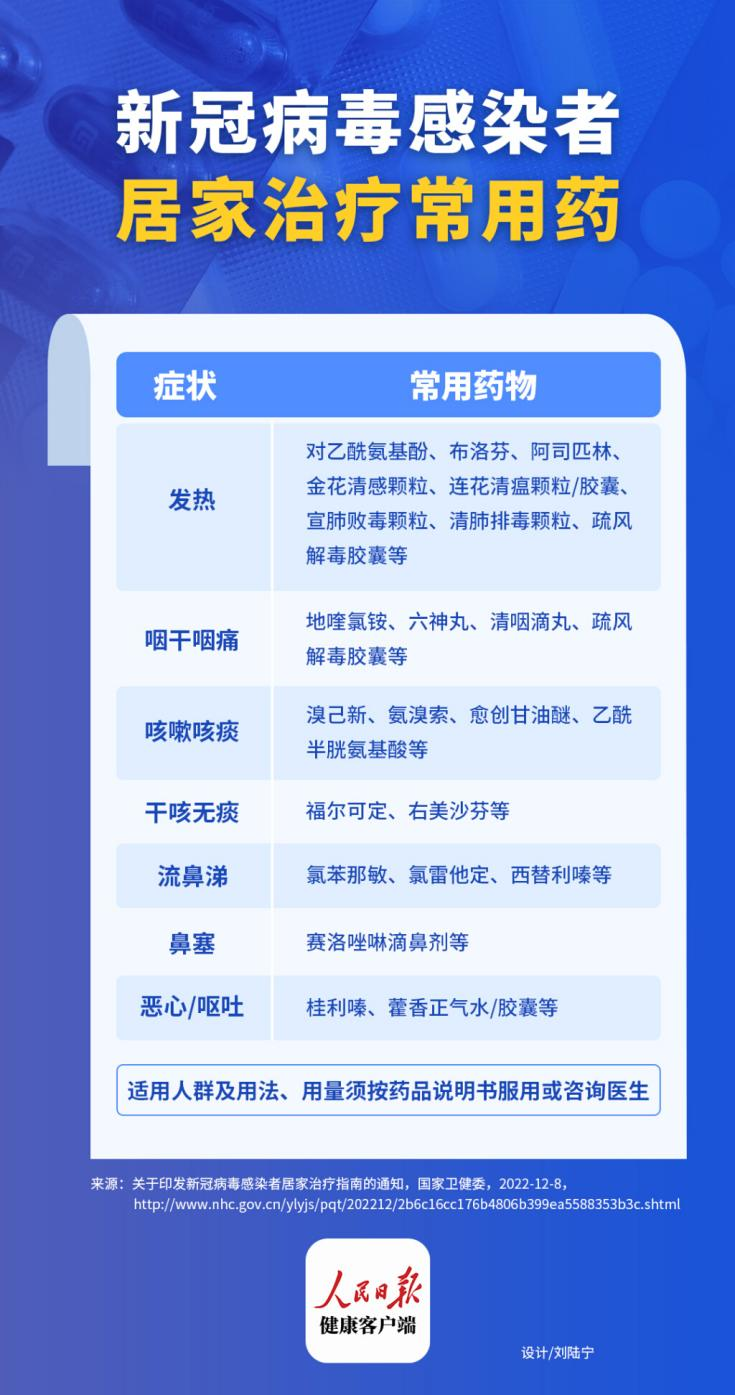
In combination with the latest version of COVID-19 Rehabilitation Guidance Manual issued by the World Health Organization, the Guidelines for Home Treatment of COVID-19 Infected Persons issued by the Joint Prevention and Control Mechanism of the State Council in Response to the novel coronavirus Pneumonia Epidemic, and practical suggestions given by experts, we have compiled a "Rehabilitation Manual" covering 10 major issues of concern to everyone:
1. Fever
Zhang Luofei and Zhao Zhigang from the pharmacy department of Beijing Tiantan Hospital published an article on the hospital's official account on December 5, saying that when COVID-19 attacks the human body, the immune system is active, and COVID-19 infected people may have fever symptoms at this stage. Suggestions for dealing with fever:
(1) Bed rest: The immune system in your body is fighting against COVID-19. You need to have a good rest.
(2) Drink plenty of water: When you have a fever, you need to drink plenty of water to replenish the lost water in the body, prevent collapse, and help dissipate heat through metabolism; In addition, drinking more water can increase urine output, which can help the body carry away toxins, viruses, and bacteria.
(3) Eat light and easily digestible food: Try to eat light and easily digestible food as much as possible, avoid being too greasy, increase the burden on the body, and make the war to eliminate the virus fail.
(4) Drug therapy: For infectious fever, fever itself is one of the manifestations of the body's immune system clearing the source of infection. Unless there is high fever and severe discomfort in the patient, it is usually not urgent to use antipyretic drugs and other medications. But for patients with high fever, cooling treatment is necessary, and the available antipyretic drugs include acetaminophen and ibuprofen.
Special reminder: Choose one antipyretic. Many cold medicines are compound preparations containing acetaminophen. Before use, carefully read the instructions to avoid repeated or excessive use.

World Health Organization Rehabilitation Guidebook: Self Management of COVID-19 Related Diseases
Finally, what situations arise during home rehabilitation that require medical attention? According to the "Guidelines for Home Treatment of COVID-19 Infected Persons", if the following situations occur, they can be transferred to relevant hospitals for treatment by self driving, 120 ambulances, etc.
(1) Difficulty breathing or shortness of breath.
(2) After drug treatment, the body temperature remains above 38.5 ℃ for more than 3 days.
(3) The underlying disease has significantly worsened and cannot be controlled.
(4) Children may experience drowsiness, persistent refusal to eat, feeding difficulties, persistent diarrhea or vomiting.
(5) Pregnant women may experience symptoms such as headache, dizziness, palpitations, and shortness of breath, as well as abdominal pain, vaginal bleeding or fluid flow, and abnormal fetal movement.